


A holiday in the most legendary sporting town in the Alps
Kitzbühel is renowned worldwide as a year-round destination steeped in tradition and charm. Nestled amongst the distinctive grassy mountains, this historic town captivates visitors with its unique townscape and history stretching back over 750 years.
The people of Kitzbühel welcome their guests like friends – almost like family. Whether it’s the Hahnenkamm Race, the joy of hiking or fine dining in mountain huts and restaurants: you feel welcome from the very first moment.


Kitzbühel at a glance
The name “Chizbuhel” first appeared in a document from the Chiemsee region in 1165. It combines the proper name “Chizzo” with the word “bühel”, meaning hill, referring to the town’s geographical setting.
By around 1450, mining had become one of the main sources of wealth in Kitzbühel, later strengthened further by the discovery of silver in the 16th century. Much of the historic townscape still reflects this prosperous period today.
Tourism began to develop in the mid-19th century, when Kitzbühel became a popular summer retreat. The arrival of the railway in 1875 marked the beginning of the town’s rise as an international destination.
Kitzbühel also played an important role in the early history of skiing. In 1893, Franz Reisch became the first person to ski down the Kitzbüheler Horn, while the town hosted some of its first recorded ski races in the winter of 1894/95.
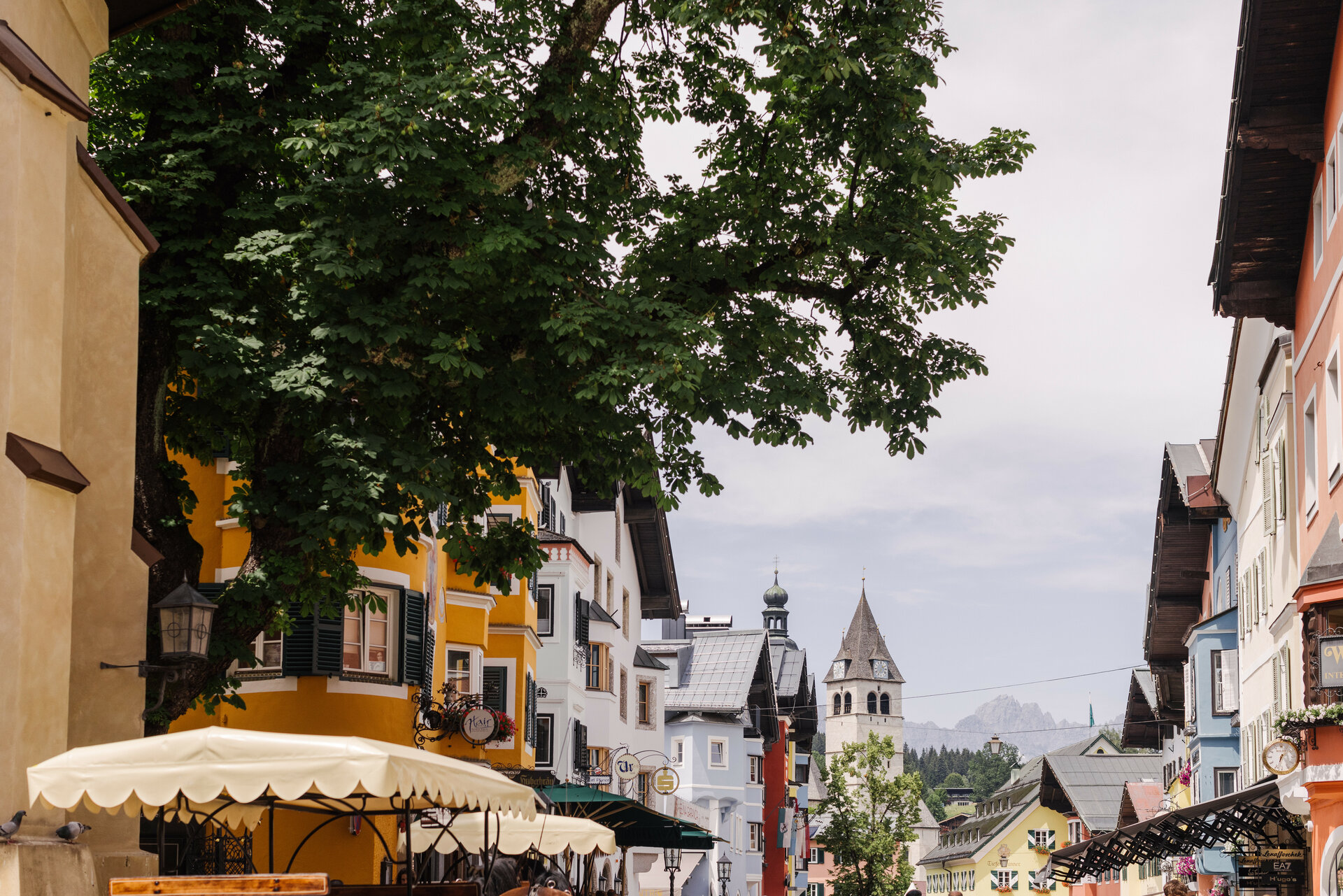
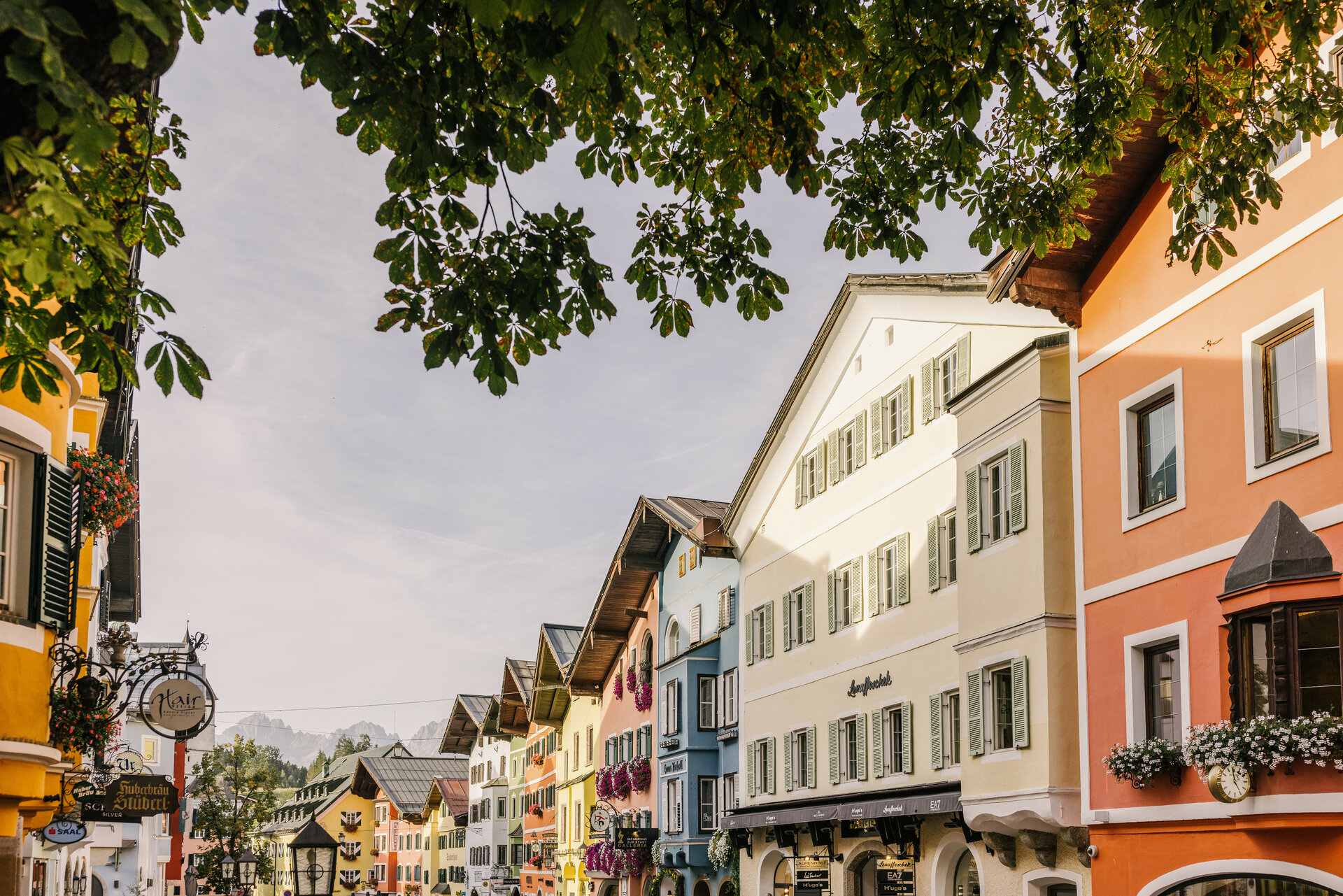
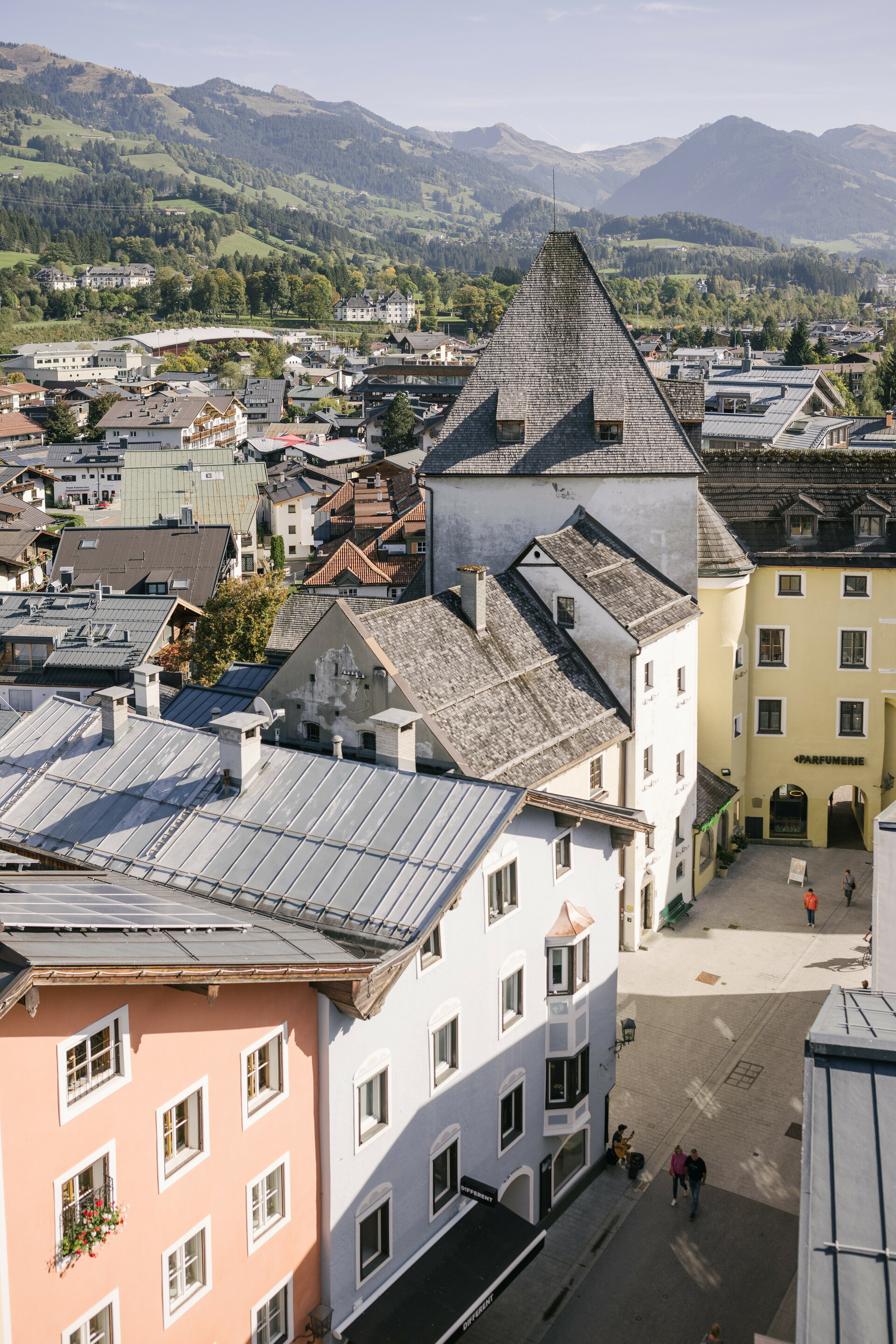
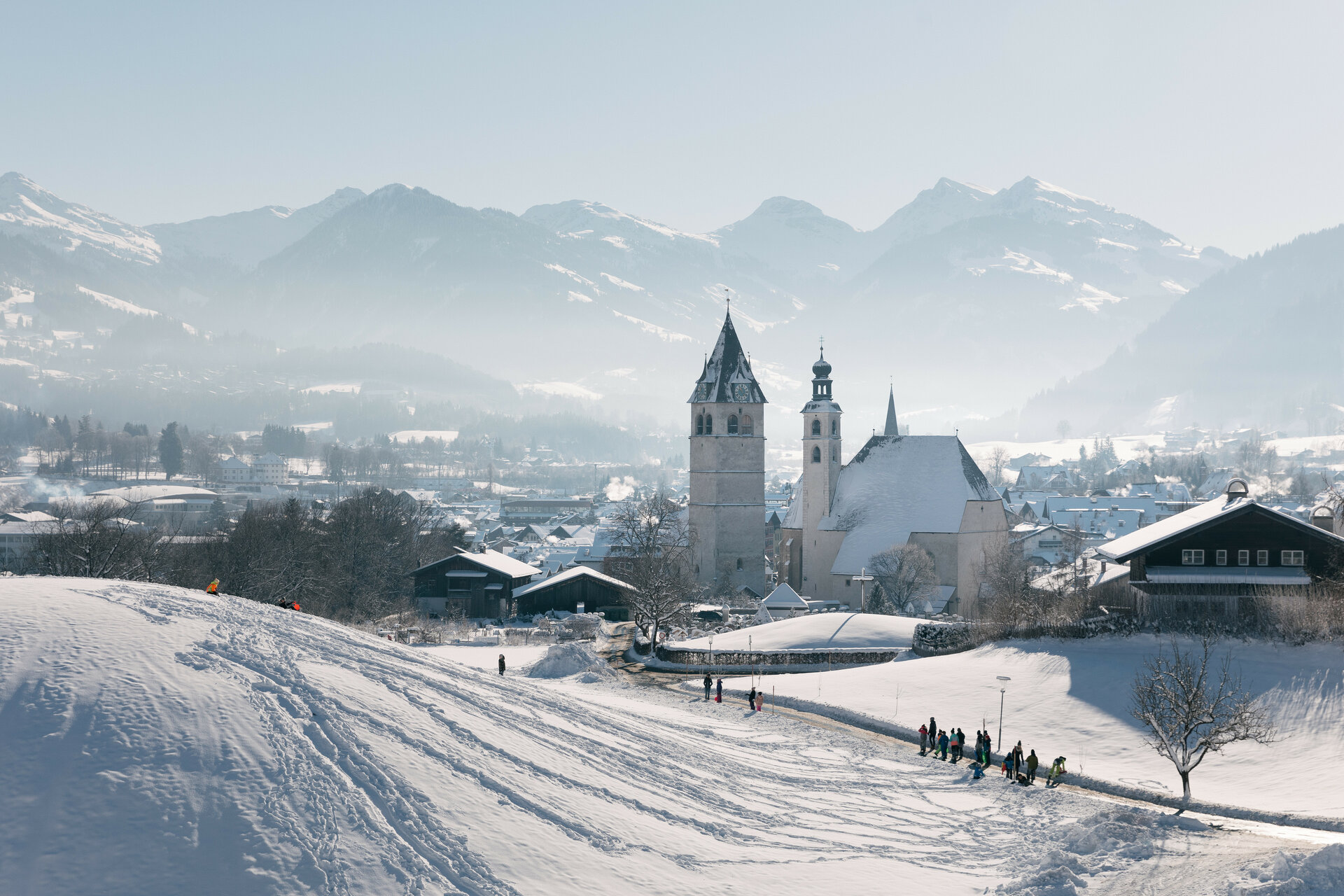
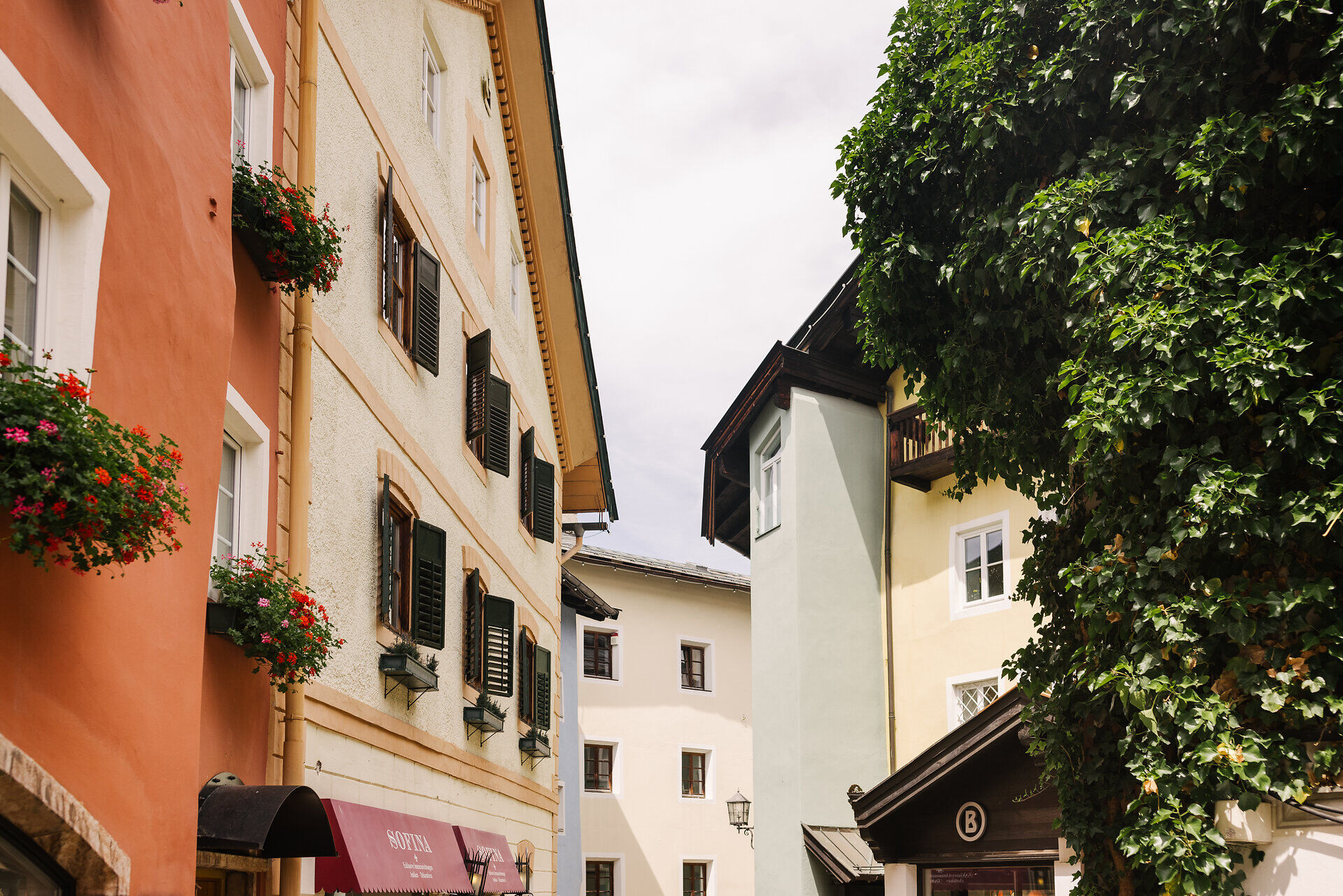
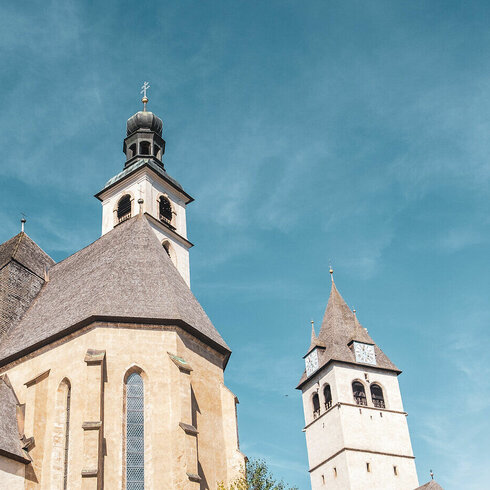
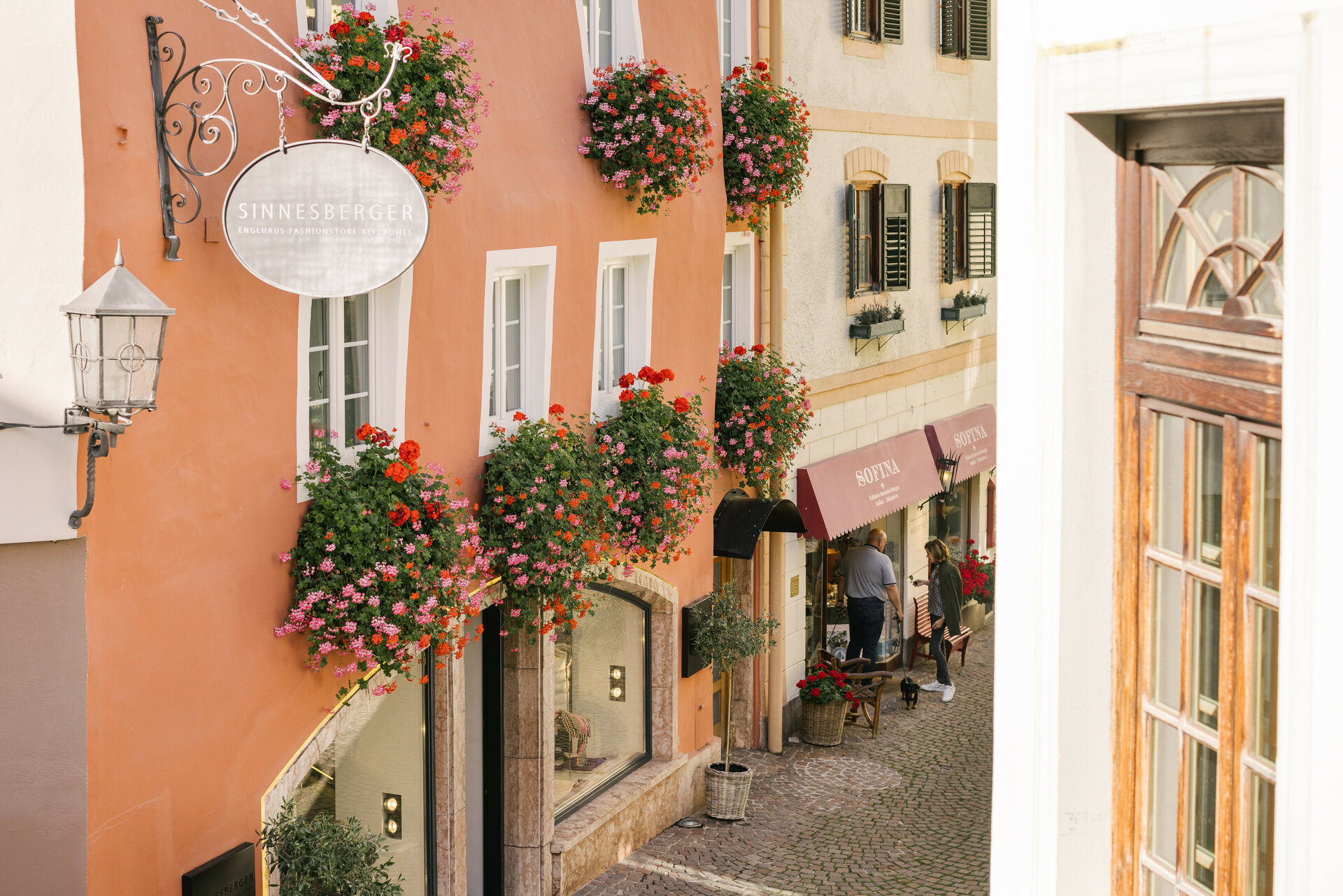
The brightly coloured façades of the gabled houses catch the eye in the historic town centre, which is over 750 years old – a design conceived by the famous Kitzbühel artist and painter Alfons Walde in the early 19th century. His works can be admired at the Kitzbühel Museum, whilst his architectural legacy can be marvelled at in the former mining town, overlooked by the beautiful parish church of St. Andreas. The church hill, with its two striking towers, is considered a landmark of the district capital, affectionately known as the ‘Gamsstadt’.
Legend has it that the first Bavarian settlers saw chamois — known locally as “Kitz” — grazing on one of the area’s characteristic grassy hills, or “Bühel”. Historically, however, the name is believed to derive from a nobleman named “Chizzo”, as recorded in early documents. Kitzbühel therefore roughly translates to “Chizzo’s hill”.
- Greenwich, Connecticut, USA – since 1961
- Yamagata – Japan – since 1963
- Sun Valley – Idaho / USA – since 1967
- Vipiteno – Italy – since 1971
- Rueil Malmaison – France – since 1979
- Bad Soden am Taunus – Germany – since 1984
… Kitzbühel is just 95 km from Innsbruck, 80 km from Salzburg and 120 km from Munich?
… Kitzbühel has three railway stations?
… Kitzbühel has over 8,500 inhabitants and lies at an altitude of 800 metres above sea level?
… we were the first Tyrolean region to be awarded the European Hiking Seal of Quality?
… the Kitzbühel ski resort is regularly honoured with international accolades and awards?
… the world-famous Streif downhill run is based here?
… the valley station of the Hahnenkammbahn is in the town?
… the “Schwarzsee” moorland lake is the warmest lake in Tyrol?
Summer, mountains, the Kitzbühel way of life
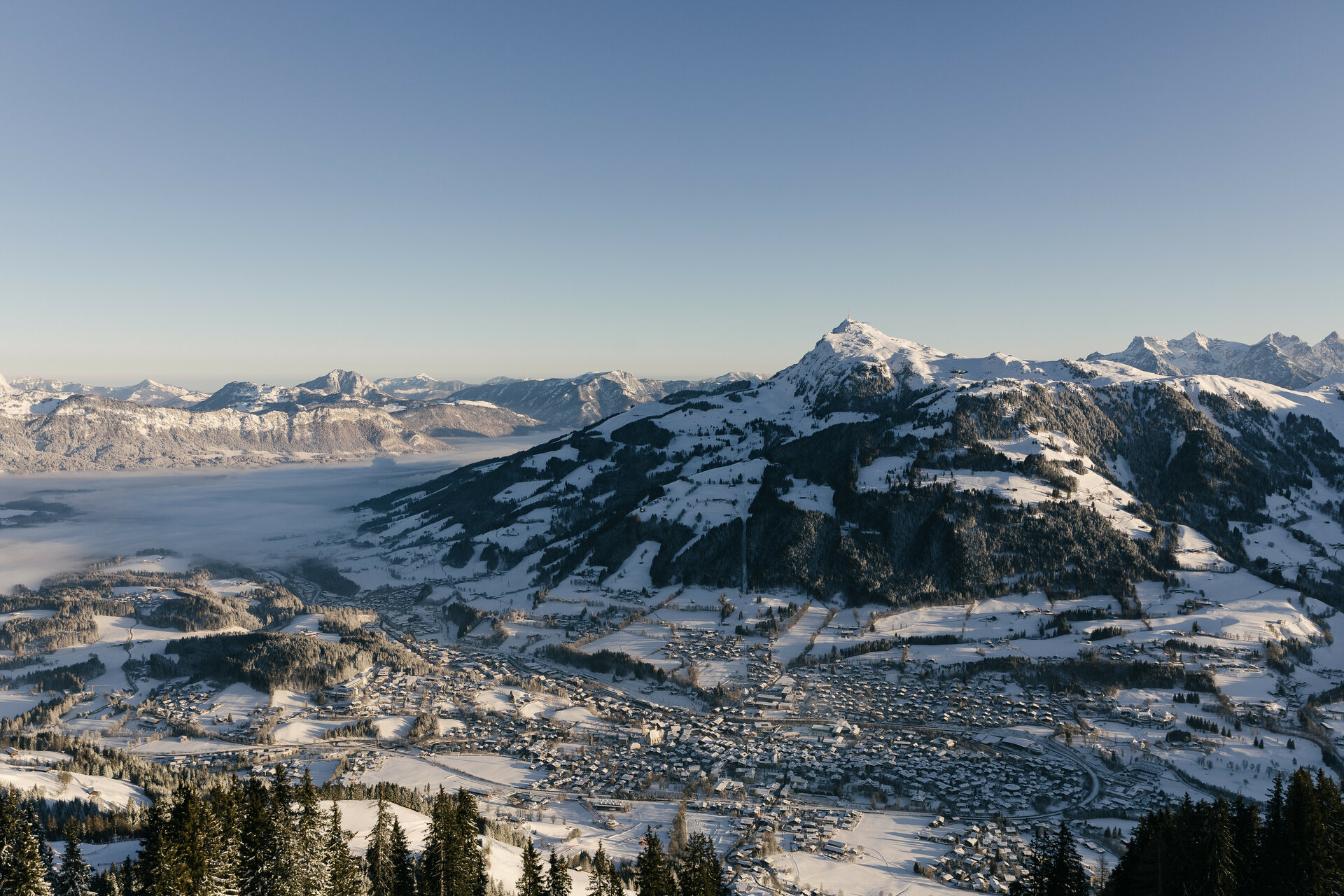
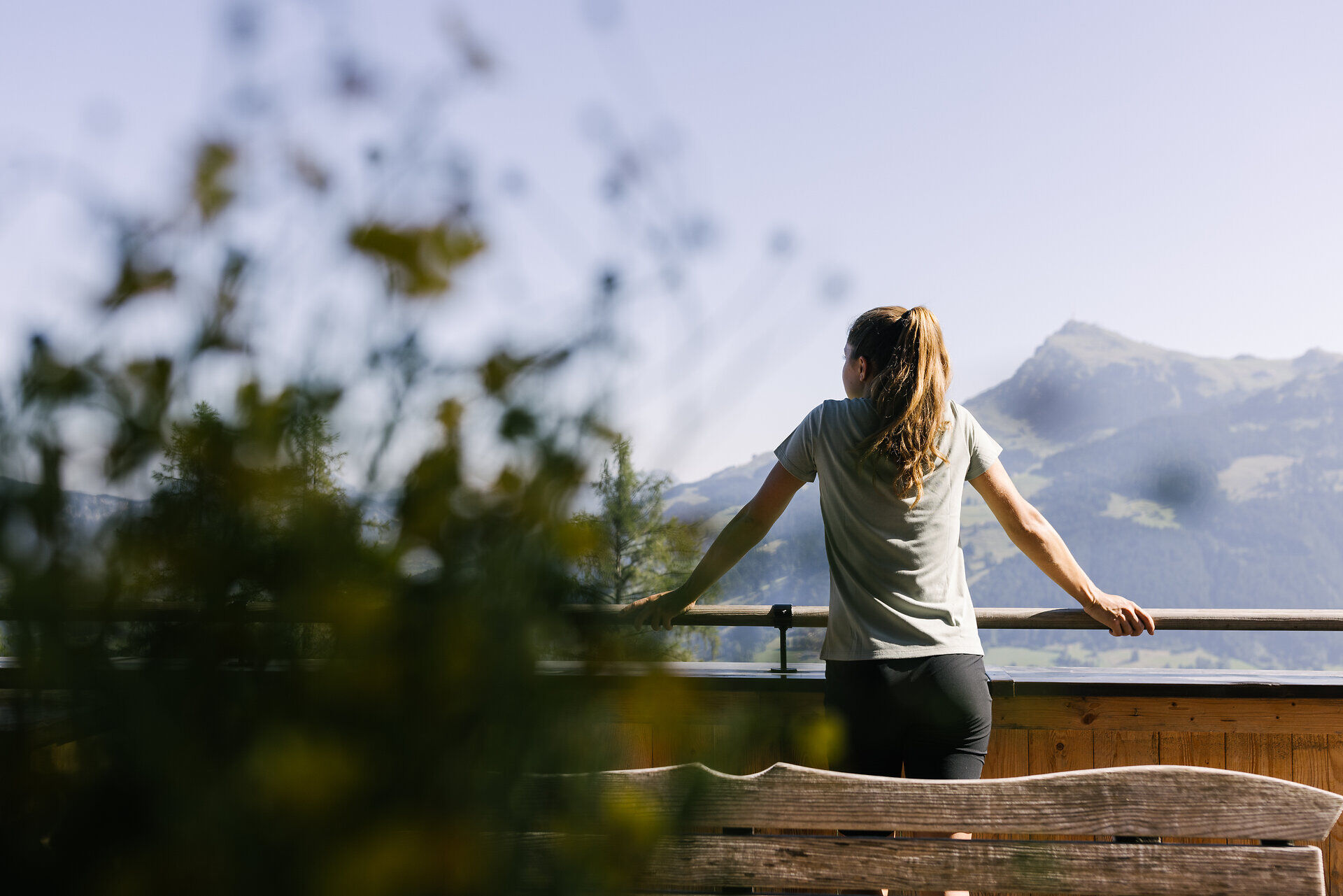
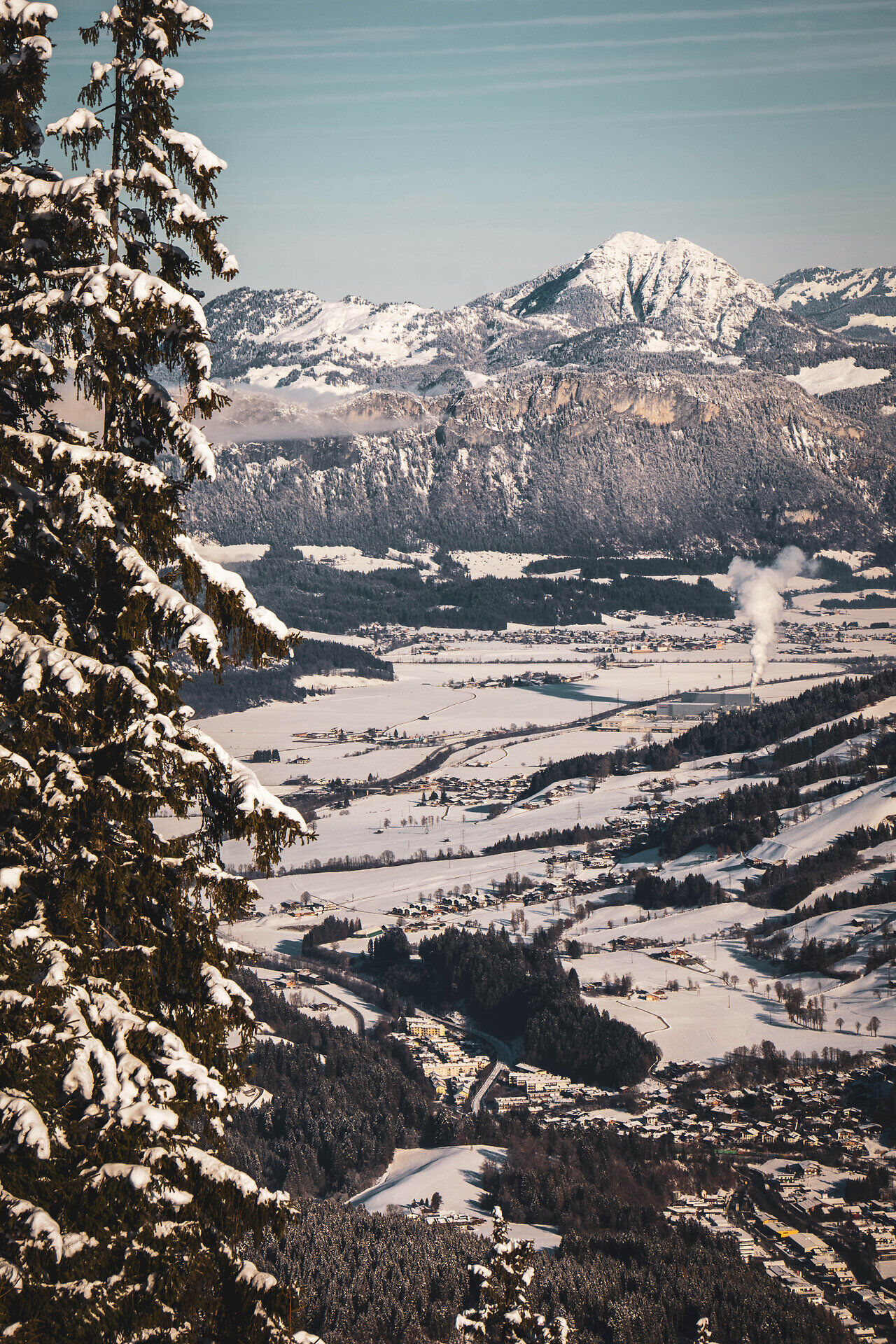
Set between the Hahnenkamm and the Kitzbüheler Horn, Kitzbühel has welcomed visitors for generations seeking relaxation, fresh mountain air and time in the Alps. The town combines nature, tradition and quality of life in a way that feels both lively and authentic.
In the “Gamsstadt”, historic streets and Tyrolean hospitality meet excellent restaurants, stylish shops and a wide range of leisure activities throughout the year. Despite its international reputation, Kitzbühel has retained the character of a traditional alpine town shaped by sport, culture and mountain life.
The alpine way of life
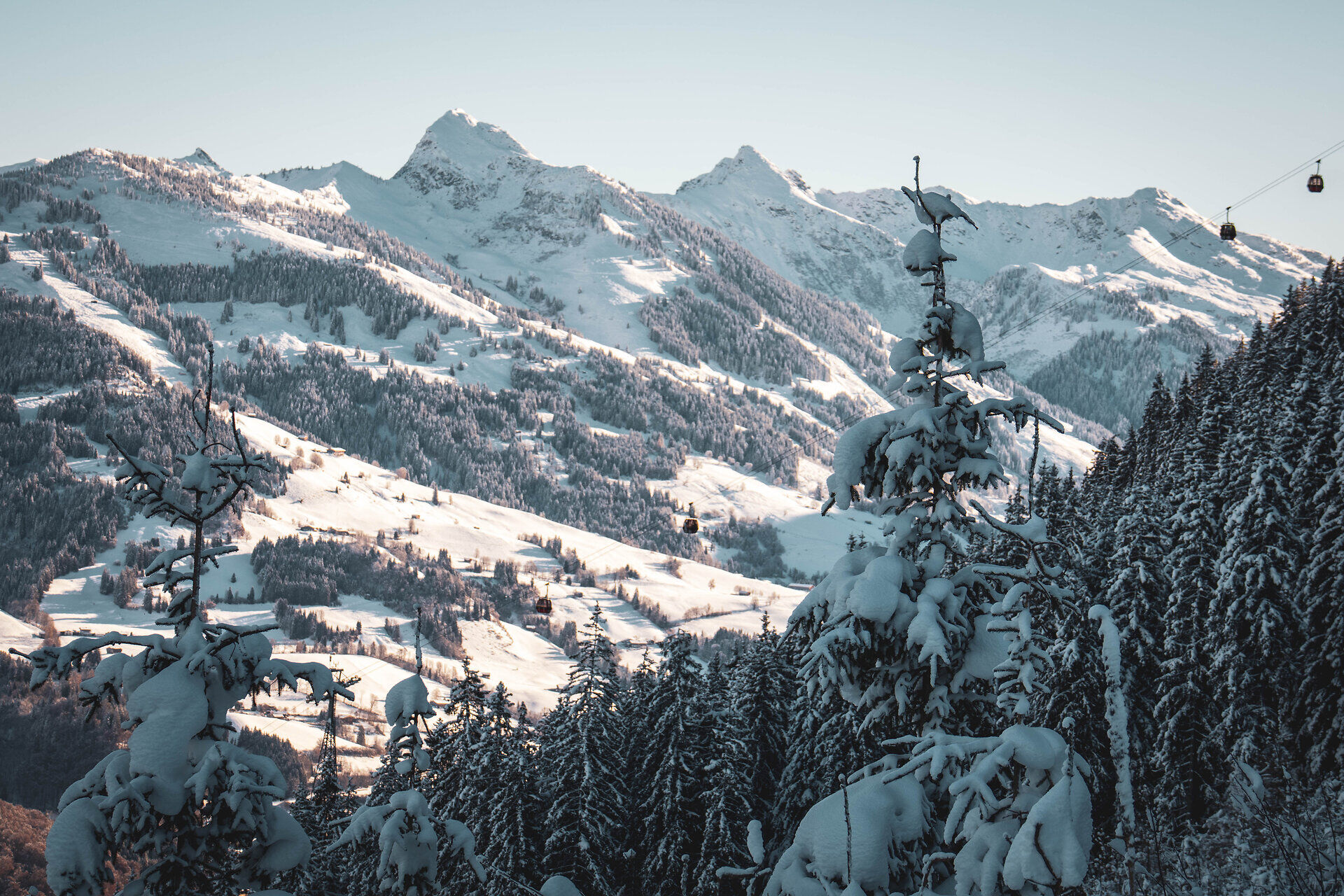
For more than 125 years, Kitzbühel has played a defining role in the history of alpine skiing. In the town where legends are made, easy access to the mountains, a vast ski area, reliable snow conditions and world-class sporting events have established Kitzbühel as one of the Alps’ most iconic winter destinations.
Wide panoramic views, varied pistes and dramatic mountain scenery create an unforgettable skiing experience. At the same time, authentic Tyrolean hospitality, excellent cuisine and the town’s unique atmosphere give the “Gamsstadt” its unmistakable character both on and off the slopes.

FAQ
Kitzbühel is easily accessible by car or public transport. The nearest airports are Salzburg (approx. 81 km), Innsbruck (approx. 96 km), Munich (approx. 127 km) and Vienna (approx. 371 km). From the airport, you can take the train to Kitzbühel, Kitzbühel Hahnenkamm or Kitzbühel Schwarzsee stations. Once there, a well-connected public transport system ensures short journeys. You can find all the information you need about getting here here.
The Kitzbühel region comprises the towns and villages of Kitzbühel, Reith bei Kitzbühel, Aurach bei Kitzbühel and Jochberg.
Kitzbühel, Aurach and Jochberg are all located within the same valley stretching from Pass Thurn towards St. Johann in Tirol, while Reith lies slightly elevated nearby in the gentle Bichlach landscape.
Together, they form a diverse destination characterised by alpine scenery, rolling grassy hills and crystal-clear lakes.
Kitzbühel is an attractive destination all year round.
In winter, you can look forward to 233 kilometres of slopes, perfectly groomed cross-country trails, guided winter walks, over 60 mountain huts and restaurants, as well as special events such as the Kitzbühel Advent, the New Year’s programme, the Hahnenkamm Races and the Bendura Bank Snow Polo World Cup.
Spring and summer offer over 1,000 kilometres of hiking trails, four golf courses, more than 80 kilometres of trails for cycling and trail running, as well as refreshing days spent swimming in the Schwarzsee.
Autumn delights with pleasant temperatures, moments of relaxation and a wide range of activities in the mountains.
The Kitzbühel Museum houses an extensive collection of works by the internationally renowned artist Alfons Walde and offers fascinating insights into the town’s history.
Sports enthusiasts will find not only classic indoor activities such as climbing, tennis and ice skating at the sports park, but also a skittle alley, a curling rink and Austria’s only indoor curling hall.
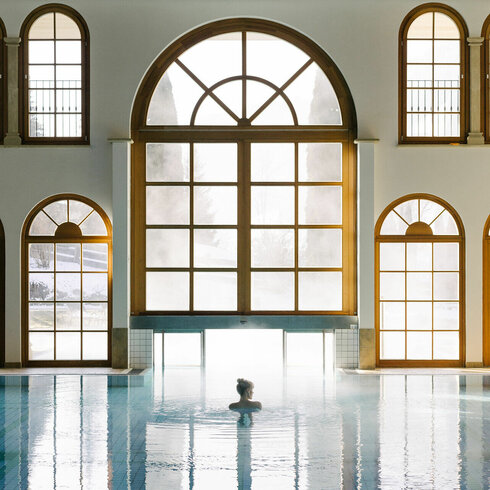
The cinema, the casino and the Aquarena swimming centre offer plenty of variety whatever the season or weather.
Kitzbühel offers a wide range of accommodation options. Whether you’re looking for a farm stay, a guesthouse or a hotel, the variety of options available means you’re sure to find the perfect place to stay.
Book directly via booking.kitzbuehel.com