



Sustainability in Kitzbühel
In Kitzbühel, numerous businesses and tourism providers are implementing concrete measures such as energy-efficient infrastructure, the use of regional products, and the expansion of public transportation options. Visitors benefit from short distances, a well-developed public transportation system, and offerings that make their stay more resource-efficient. Relevant initiatives and, in some cases, existing certifications make these approaches transparent.


How We Put Sustainability into Practice
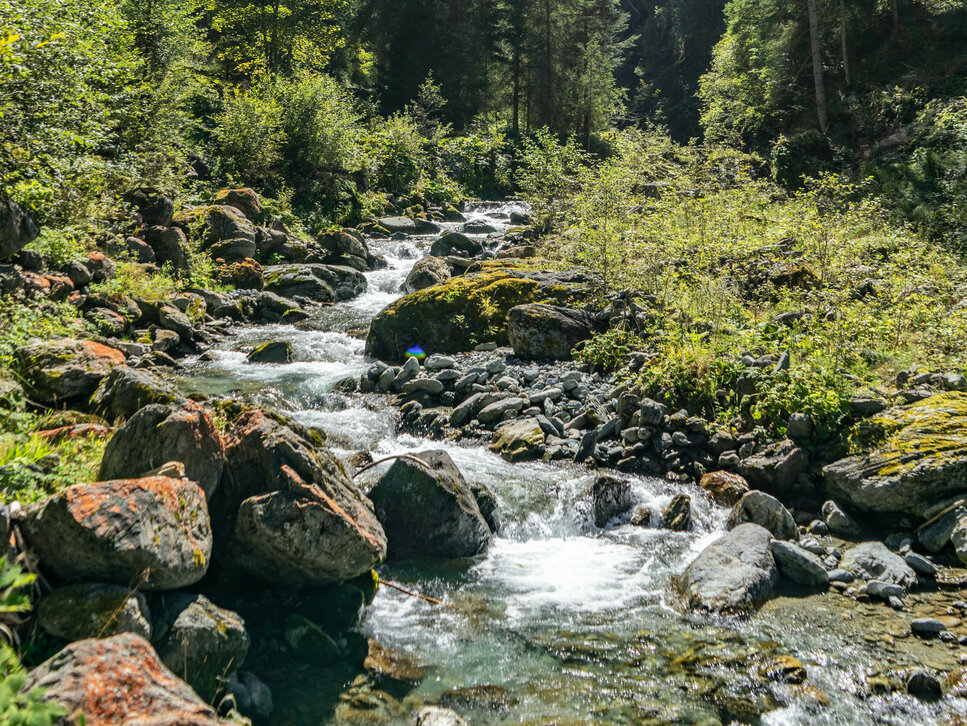
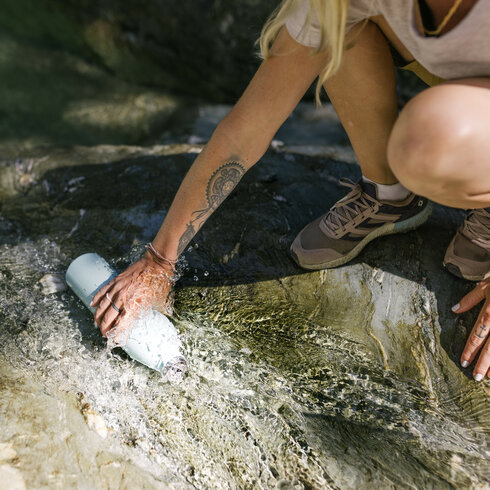
We implement measures to protect the alpine environment, such as directing visitors to designated trails, providing information on environmentally friendly behavior, and establishing guidelines for resource use in our operations. These include, for example, the efficient use of water and energy, as well as habitat conservation programs. These initiatives are designed to help balance the use and protection of the landscape.
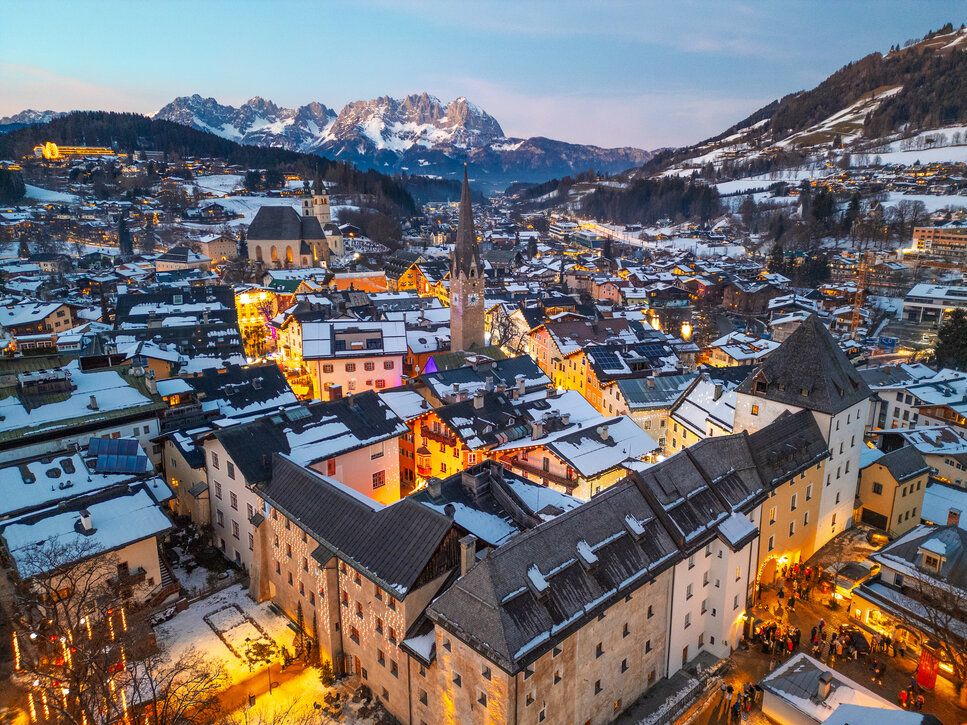
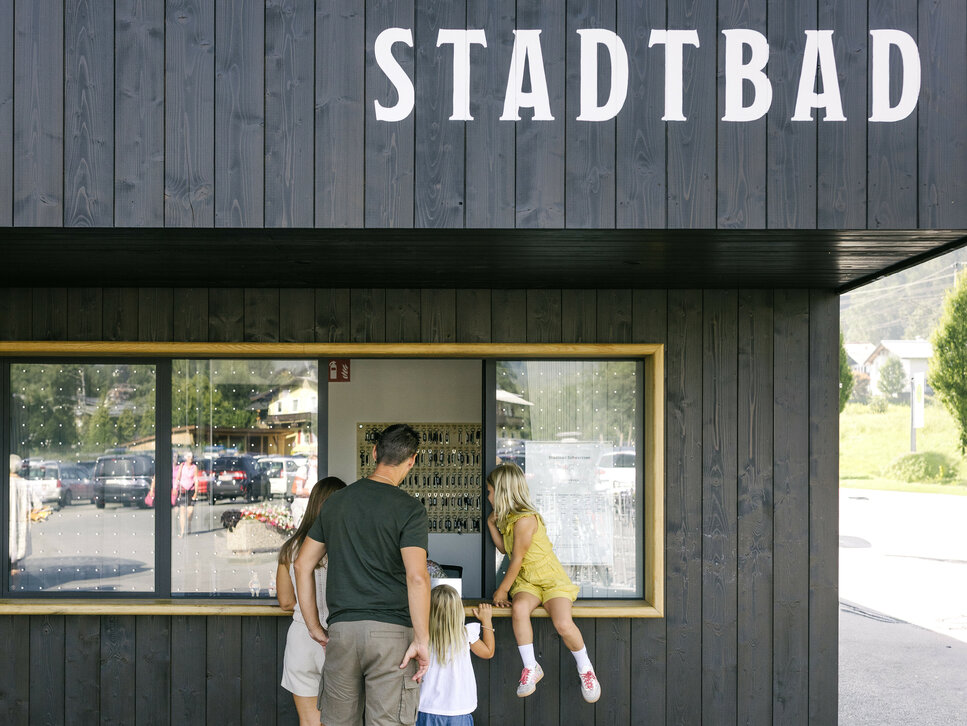
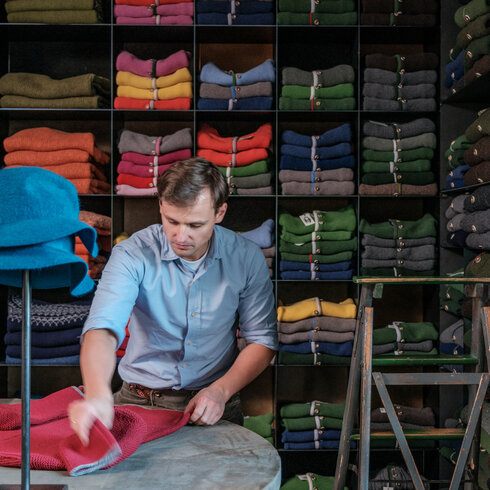
We collaborate with regional businesses and service providers to promote local economic growth. This includes sourcing products from the region, establishing long-term partnerships with local stakeholders, and ensuring that employment practices comply with applicable labor and social welfare laws. These measures are designed to support economic stability in the region and secure local livelihoods.
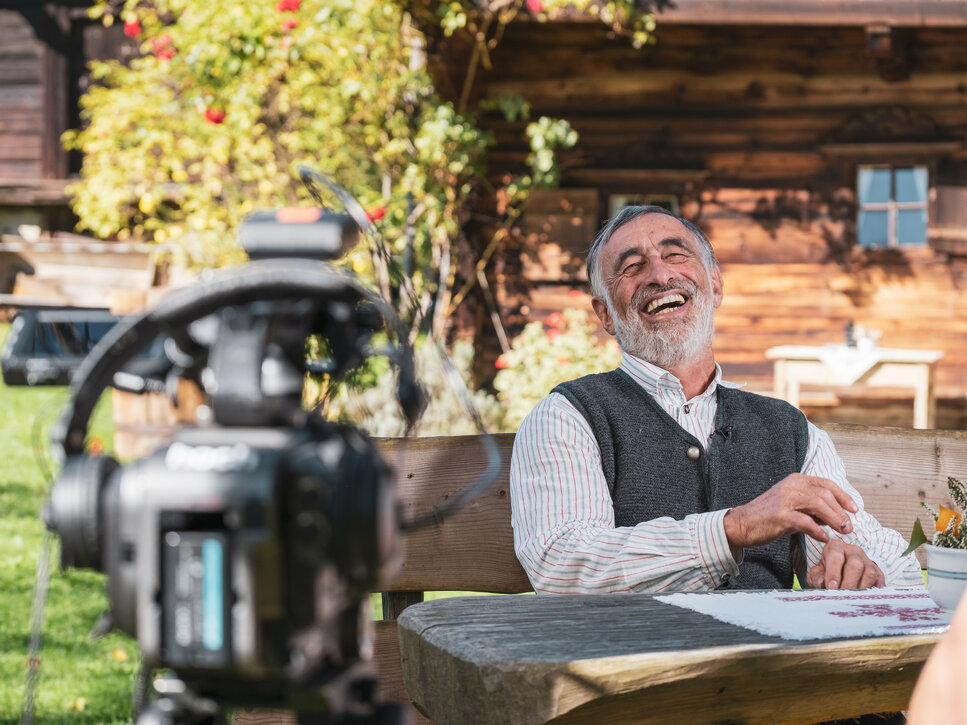
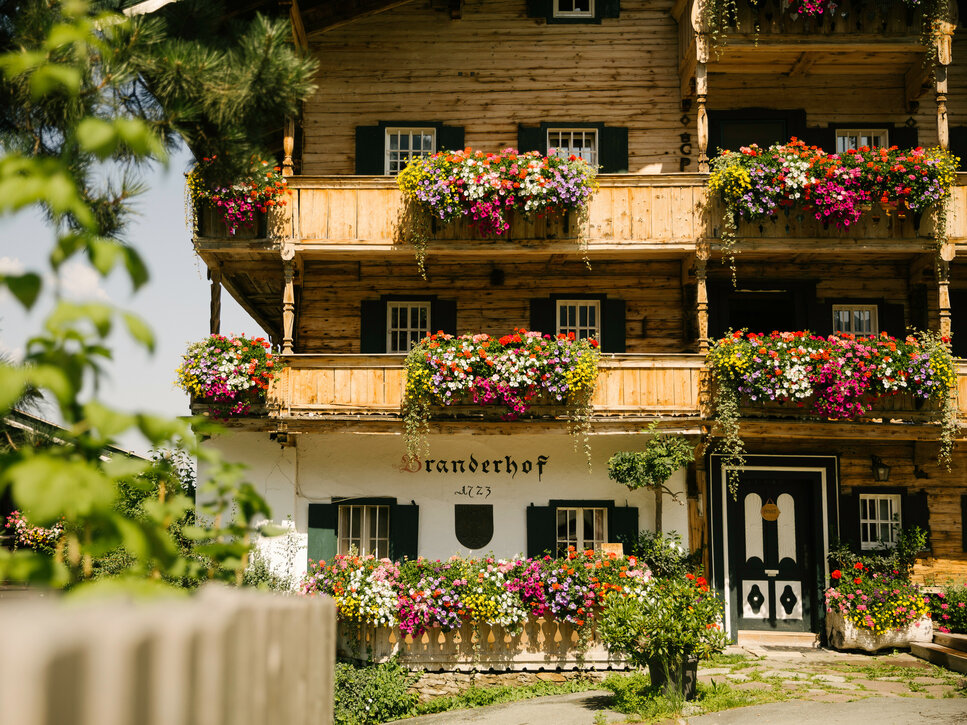
In Kitzbühel, cultural offerings and traditions are brought to life through local initiatives, events, and artisanal businesses. Visitors can take part in guided tours, exhibitions, or regional events, gaining insights into the region’s history and everyday culture. Collaborations with local stakeholders help make existing knowledge and cultural practices accessible.

United Nations Sustainable Development Goals
Our work is guided by the 17 Sustainable Development Goals (SDGs). As an alpine destination, we have deliberately chosen to focus on 7 of these goals—in the areas where we, as a tourism organization, can make the greatest and most direct contribution.
✅ SDG 3 – Good Health and Well-being:
Promote physical activity, recreation, and meaningful time spent in nature.
✅ SDG 4 – Quality Education
Conveying knowledge and awareness of nature, culture, and regional characteristics in a hands-on way.
✅ SDG 8 – Decent Work and Economic Growth
Strengthen regional value creation and secure sustainable jobs.
✅ SDG 9 – Industry, Innovation, and Infrastructure:
Develop future-proof infrastructure and innovative solutions for responsible tourism.
✅ SDG 11 – Sustainable Cities and Communities
Ensure quality of life for locals and shape tourism in harmony with the local community.
✅ SDG 12 – Responsible Consumption and Production
Promote the mindful use of resources—from regional cuisine to waste prevention.
✅ SDG 15 – Life on Land
Protect Alpine landscapes, biodiversity, and sensitive natural areas for the long term.
FAQ
The term is used in various projects and, depending on the context, refers to topics such as resource use, regional cooperation, or initiatives in the tourism and natural environment sectors.
It is part of various strategic considerations and initiatives in the area of tourism development and product design.
Some of the businesses collaborate with regional partners and implement organizational or operational measures in various areas.
Depending on the project, different objectives, criteria, or implementation measures are defined.
Tourism, mobility, nature and landscape management, community development, and regional cooperation.
Regional cooperation is a recurring element in various projects and initiatives.
Through coordination among local stakeholders and the adaptation of existing measures.
Visit kitzbuehel.com for a comprehensive overview