A journey through Kitzbühel’s past
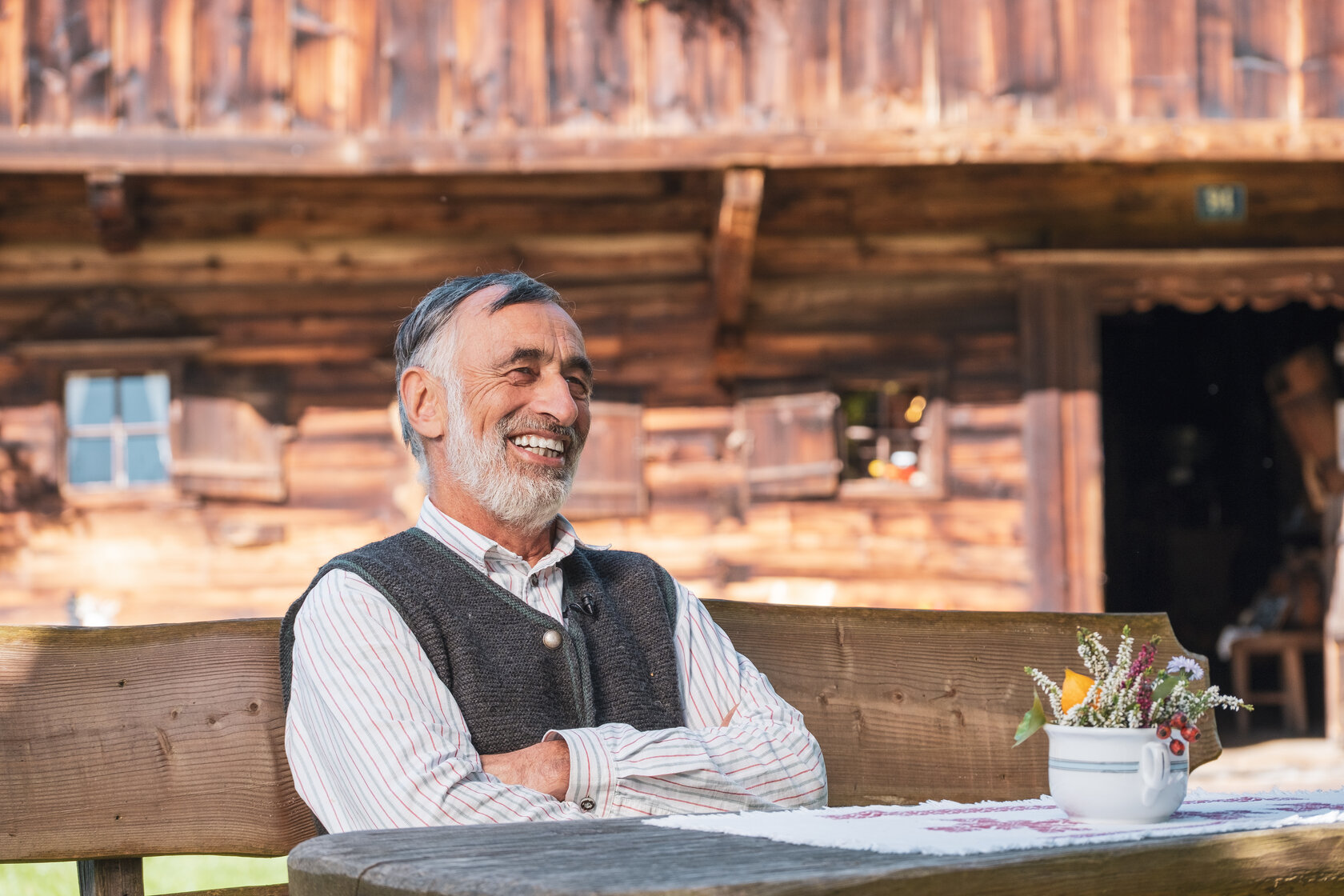
Surrounded by exhibits steeped in history and Tyrolean farmhouse culture, Willi Gianmoena, chairman of the “Tiroler Bauernhausmuseum Hinterobernau” association, takes us on a journey back through Kitzbühel’s history – and shows why this special museum is rightly considered a Kitzbühel #LocalHero.
More than just a museum
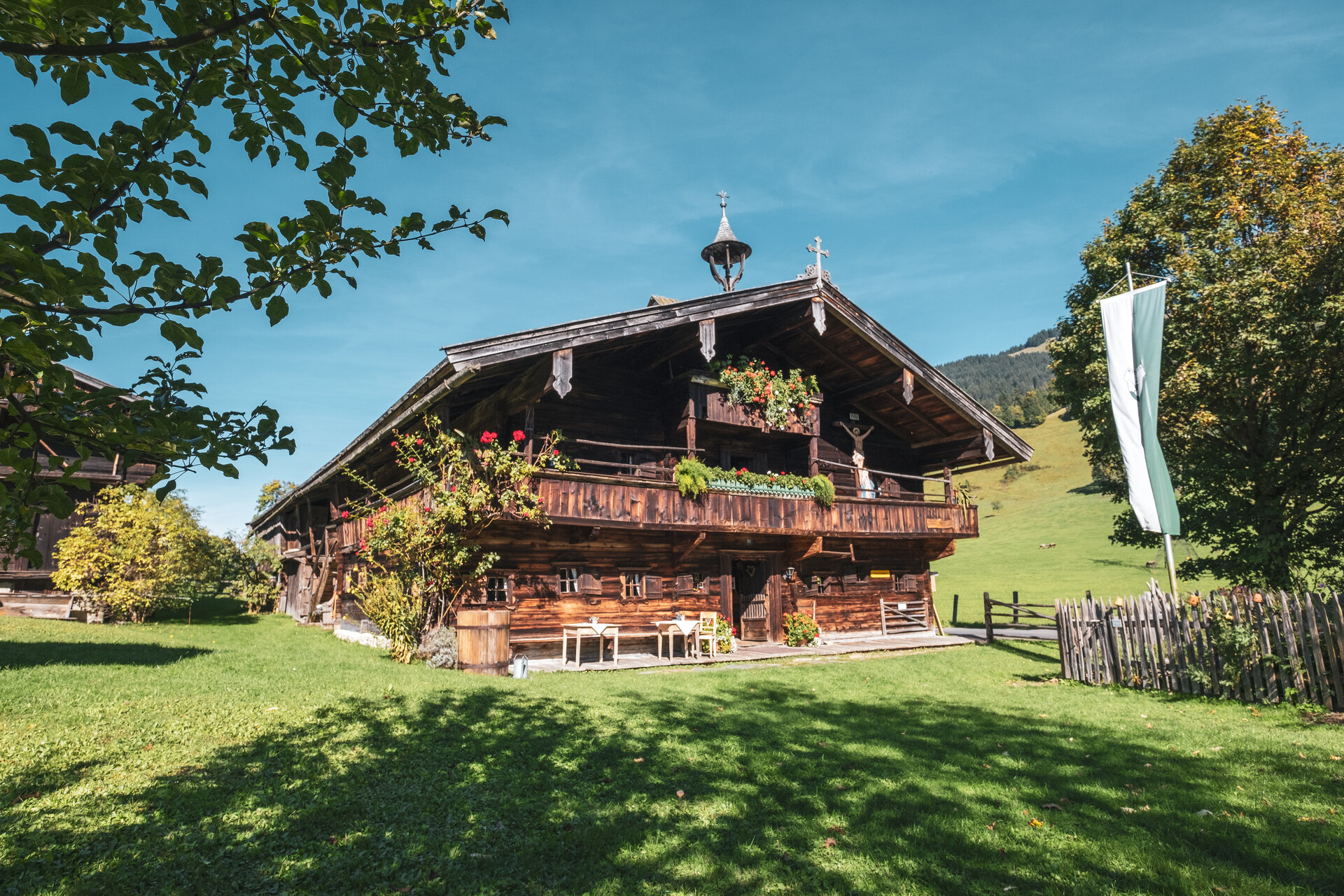
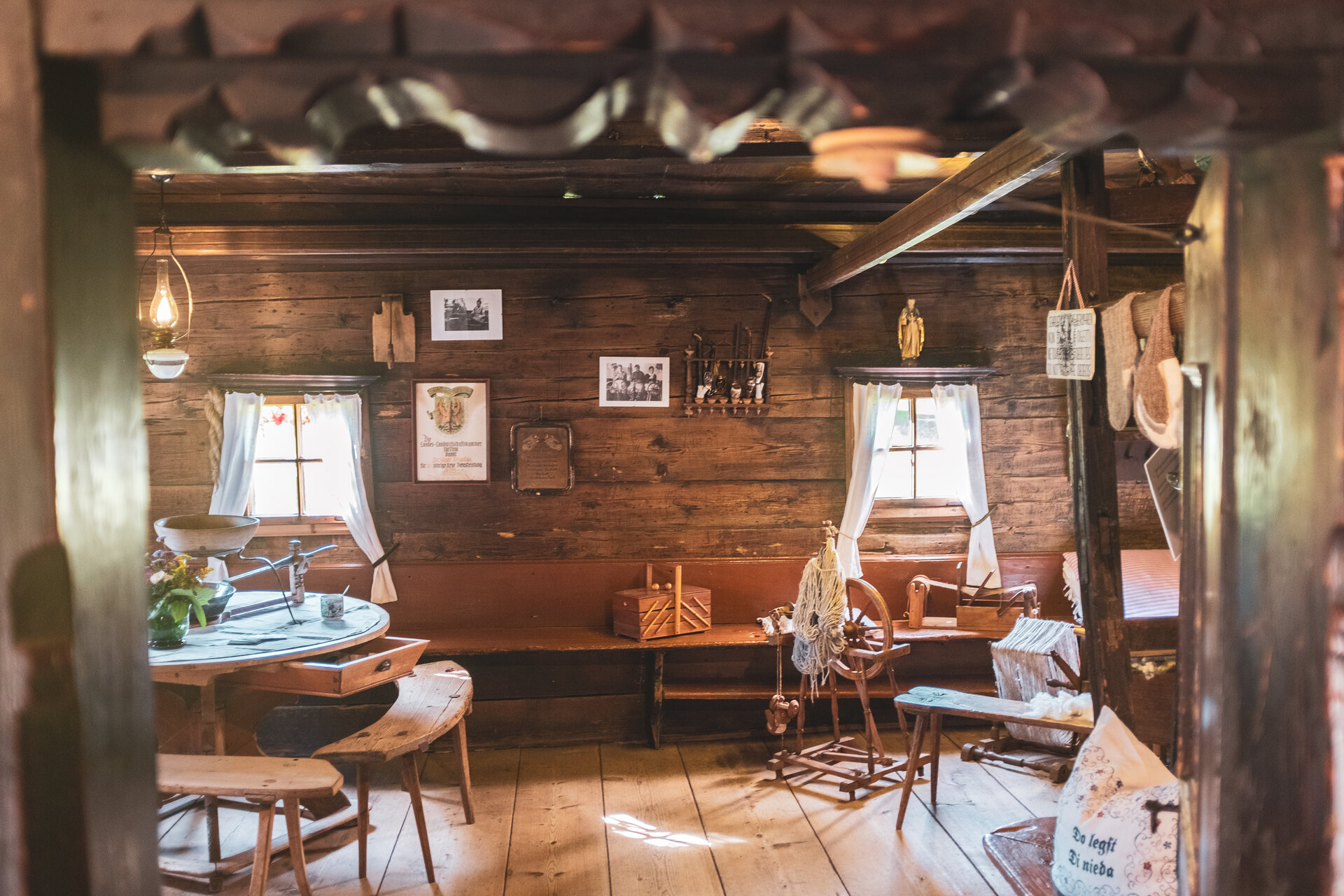
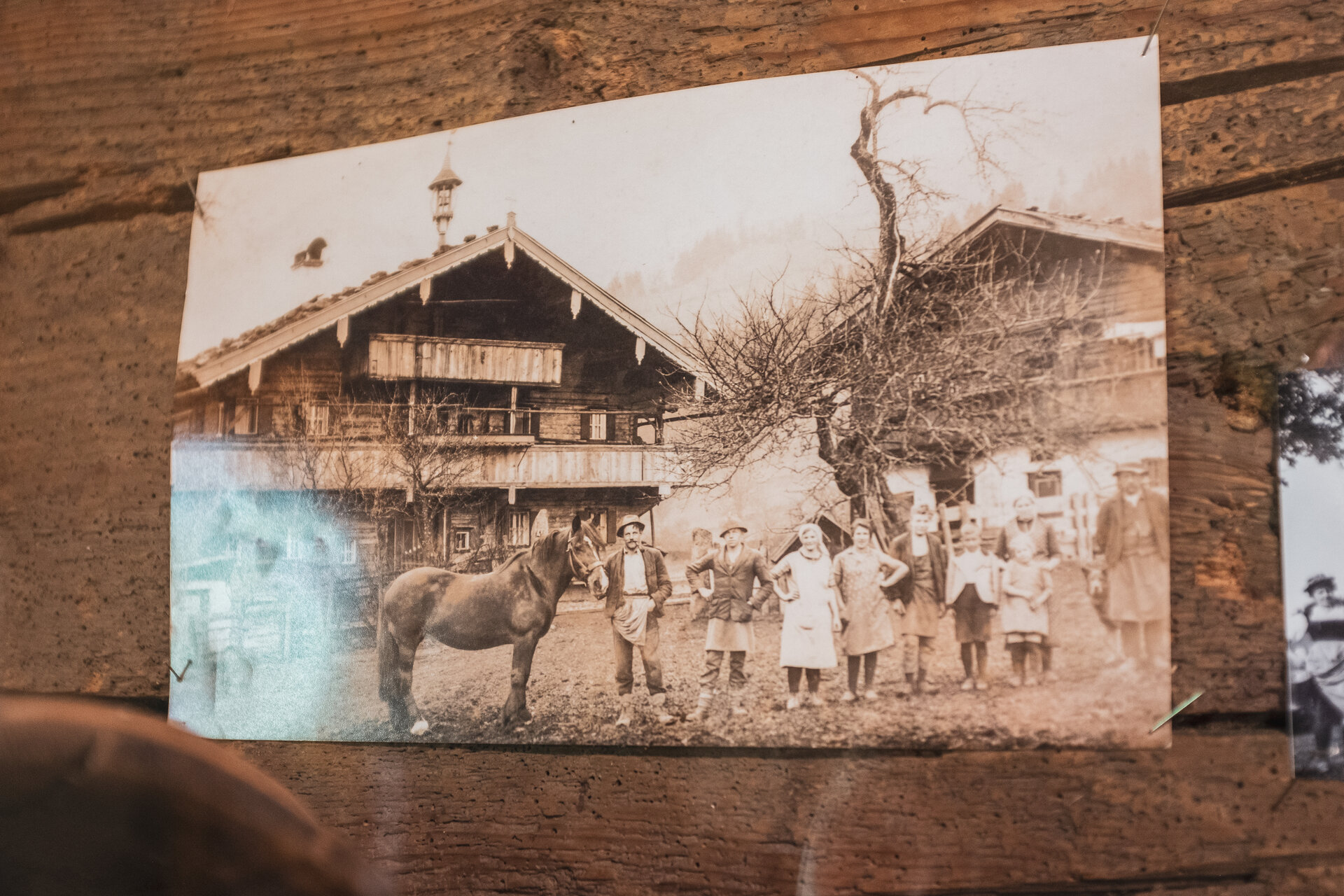
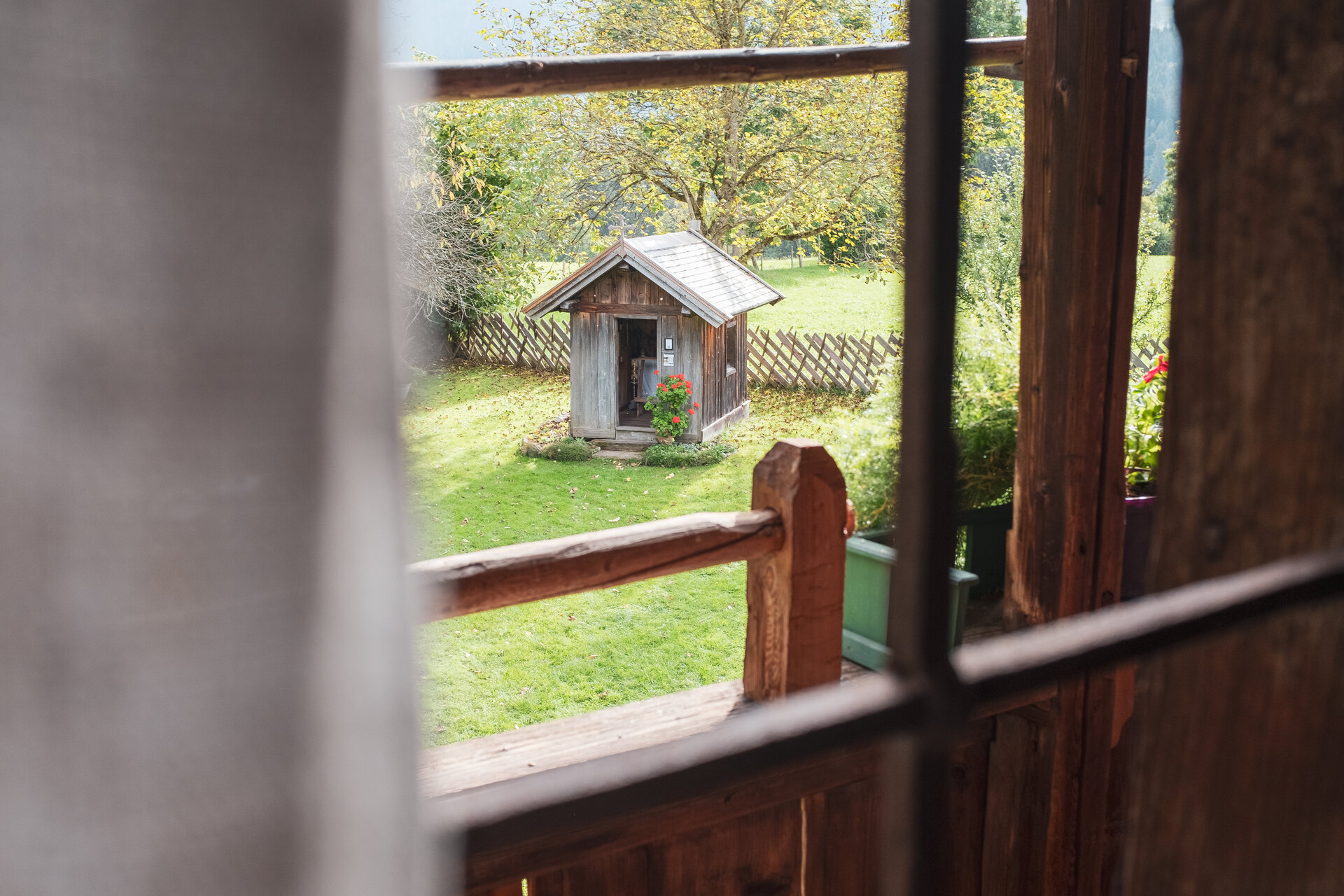
Situated on the Römerweg, the Farmhouse Museum welcomes anyone wishing to learn more about Kitzbühel’s past and rural life. The typical Salzburg-Tyrolean Obernau farmstead was first mentioned in records in 1380 and, in addition to the main building, comprises an outdoor area with a small flower and display garden, a traditional wash house, a chapel, a baking oven and an old apiary.
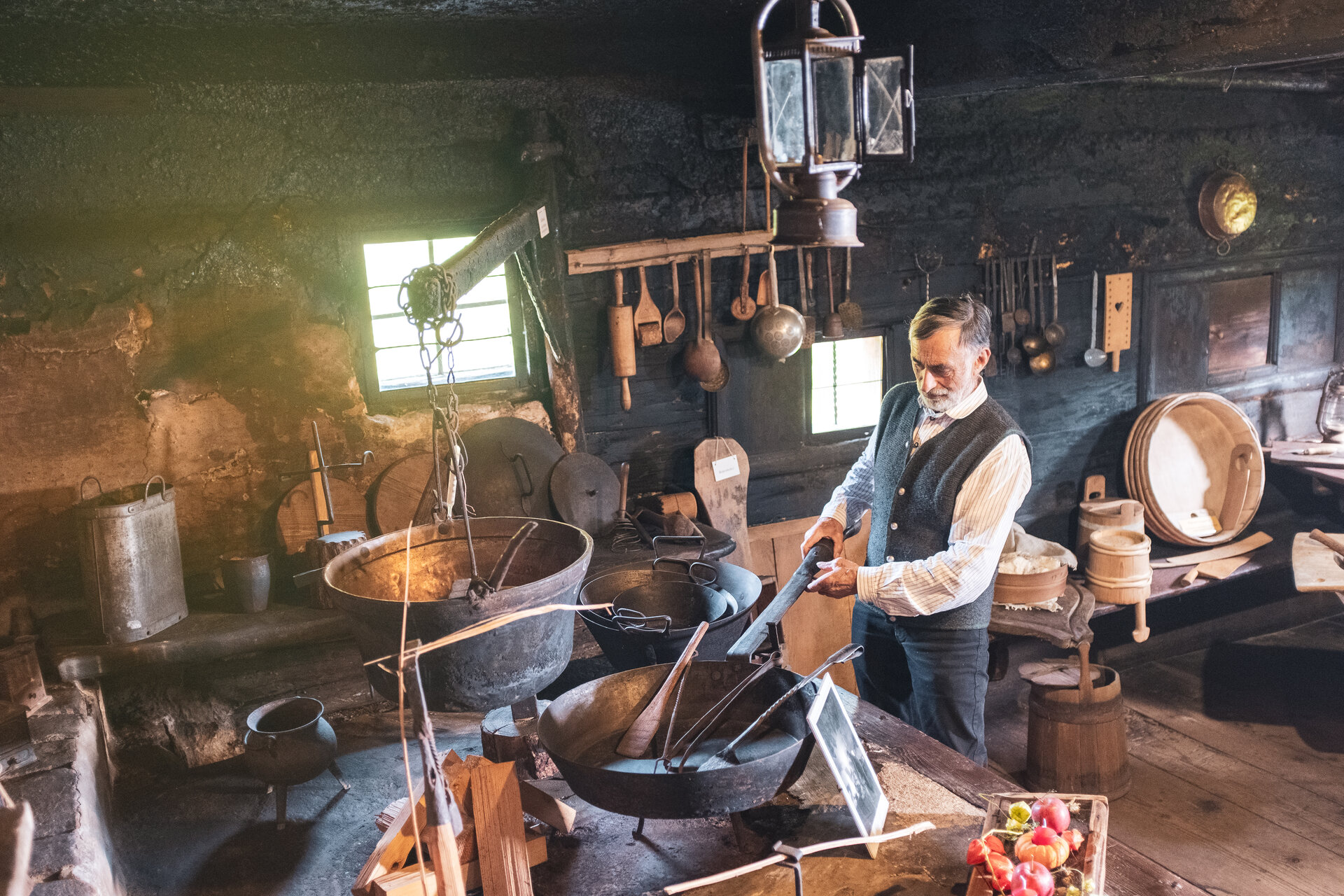
“Several generations lived under one roof – the farmhouse was home, workshop and community all in one.”
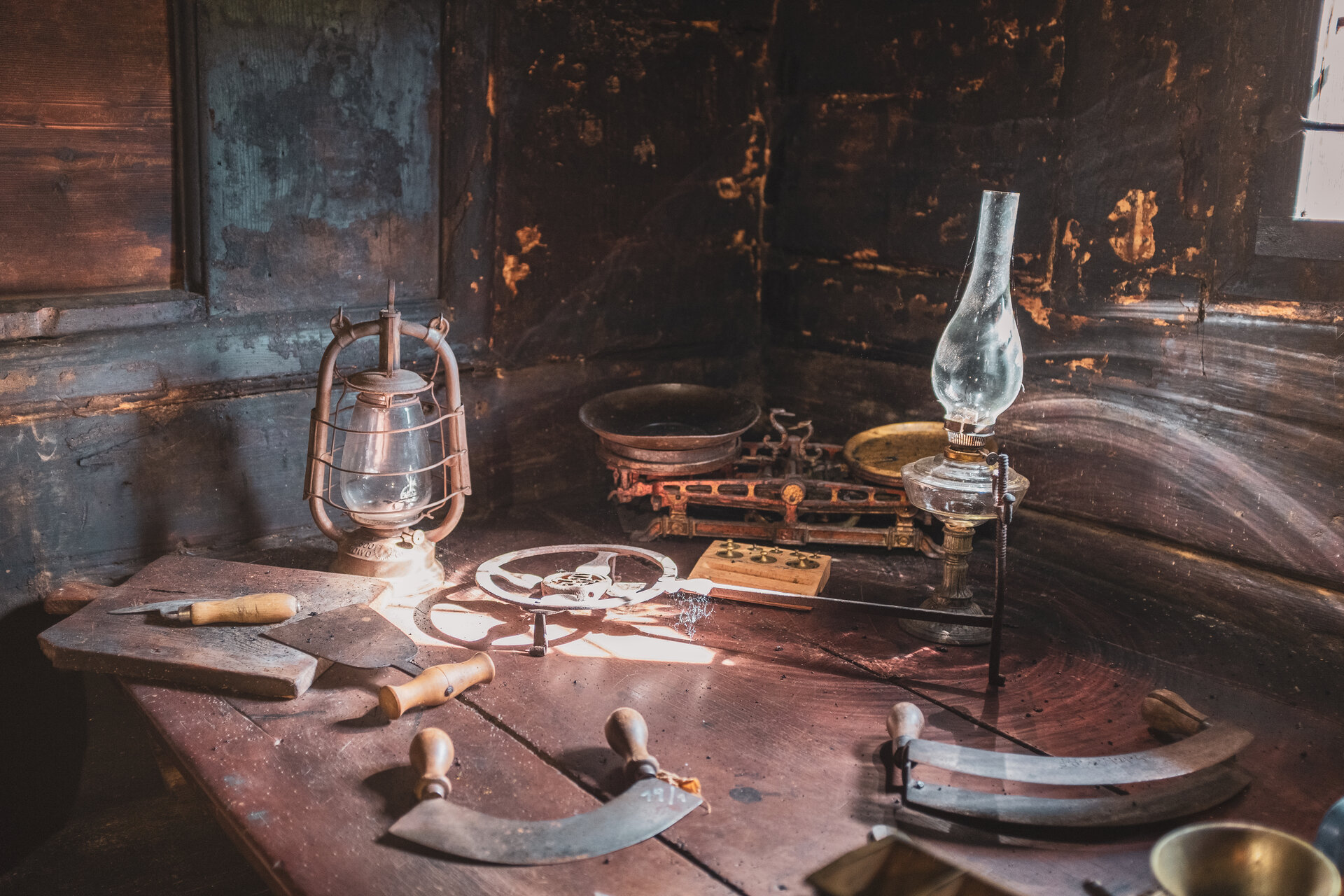
The former cowshed also houses exhibits such as sledge, carts and ploughs, demonstrating the tools once used to work in the fields and woods. A guided tour offers visitors an insight into the simple life of centuries past – and shows how several generations lived together on the farm.
Willi Gianmoena & the Museum Society
Willi Gianmoena, a passionate farmer from Oberhausberg, has been the dedicated chairman of the ‘Tiroler Bauernhausmuseum Hinterobernau’ association since 2008 and, together with his team, is constantly striving to preserve the museum and its exhibits and make them accessible to everyone.
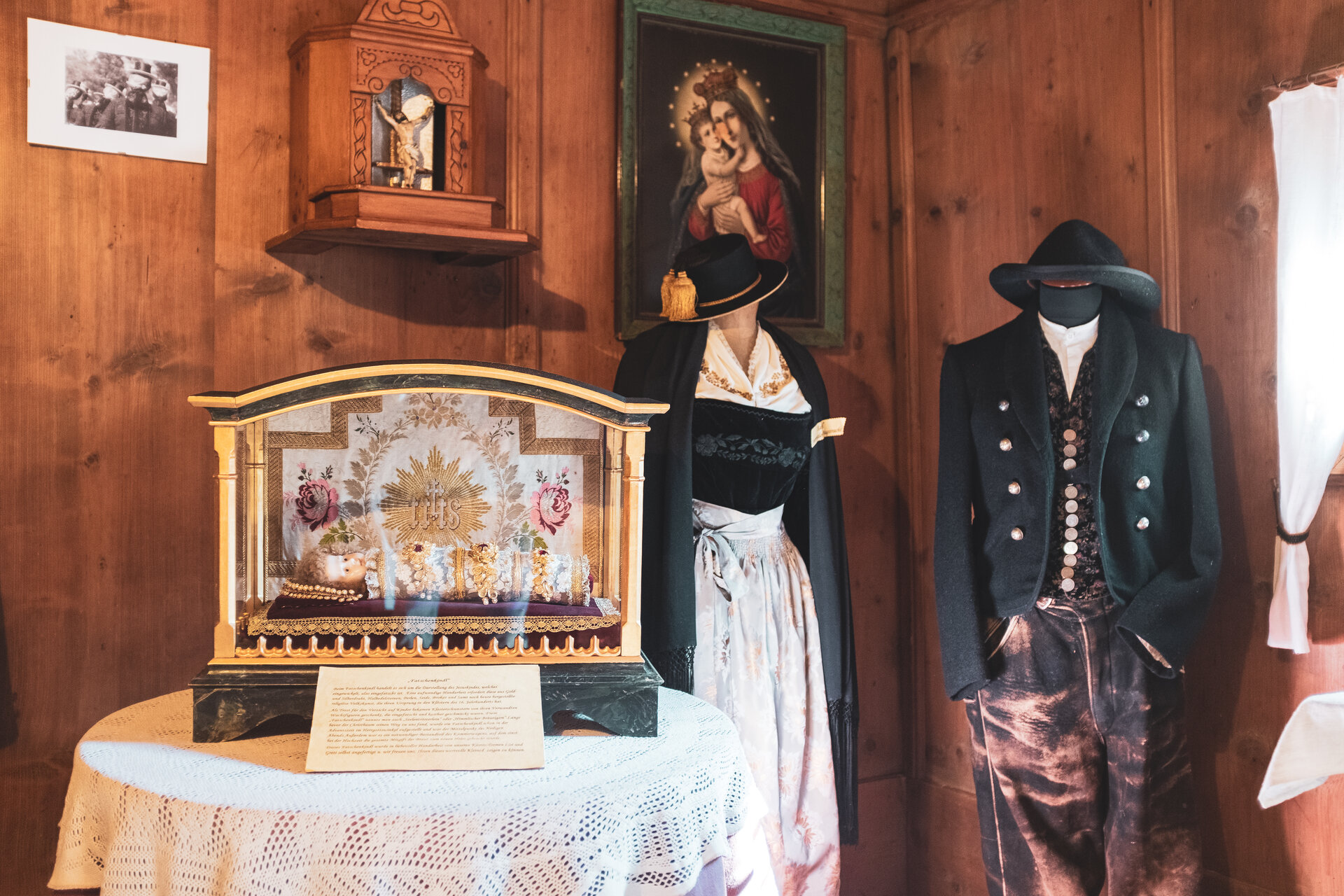
The Farmhouse Museum originated as a project of the museum association, which was founded in 1971 and now has around 120 members – from across the district, as well as from Vienna and Germany. Through their membership fees, they help to maintain the museum and everything associated with it, and to restore items where necessary. The Farmhouse Museum was originally a district-wide project – exhibits were gathered from various neighbouring communities, which makes the collection particularly diverse and unique.
A museum in the digital age
Whilst visitors learn all about life on the farm in those days during an engaging guided tour led by the curators, the museum’s rooms and exhibits have also been enhanced with an audio guide. Using QR codes and a mobile app, visitors can access stories and background information conveniently and in five different languages.
This allows you to explore the museum independently and at your own pace, soaking up the atmosphere. However, should any further questions arise – which is bound to be the case given the wealth of exhibits and details – the curators are happy to assist with their expert knowledge.